Theology of Place

Luke Lingle
Faith Has Always Taken Place Somewhere
When God created humanity, we were created for relationship with God and with one another. God was not content to create humanity in isolation, nor to remain distant from creation. Scripture tells us that God walks in the garden, dwells among the people, and ultimately takes on flesh in Jesus, living in a particular place, among particular people, at a particular time.
From the beginning, faith has been embodied and located. It has always taken place somewhere.
And yet, in the modern church, we often talk about mission, worship, and community as if they float free from the physical places where our lives unfold. We ask what the church should do without always asking where that work is rooted—or how the places we inhabit shape the way we love God and neighbor.
This is where the idea of placemaking enters the conversation.
What Do We Mean by “Placemaking?"
Placemaking is a concept that emerged from city planning and community development in the mid-twentieth century. At its core, placemaking asks a deceptively simple question: How do the places we shape influence connection, belonging, and shared life?
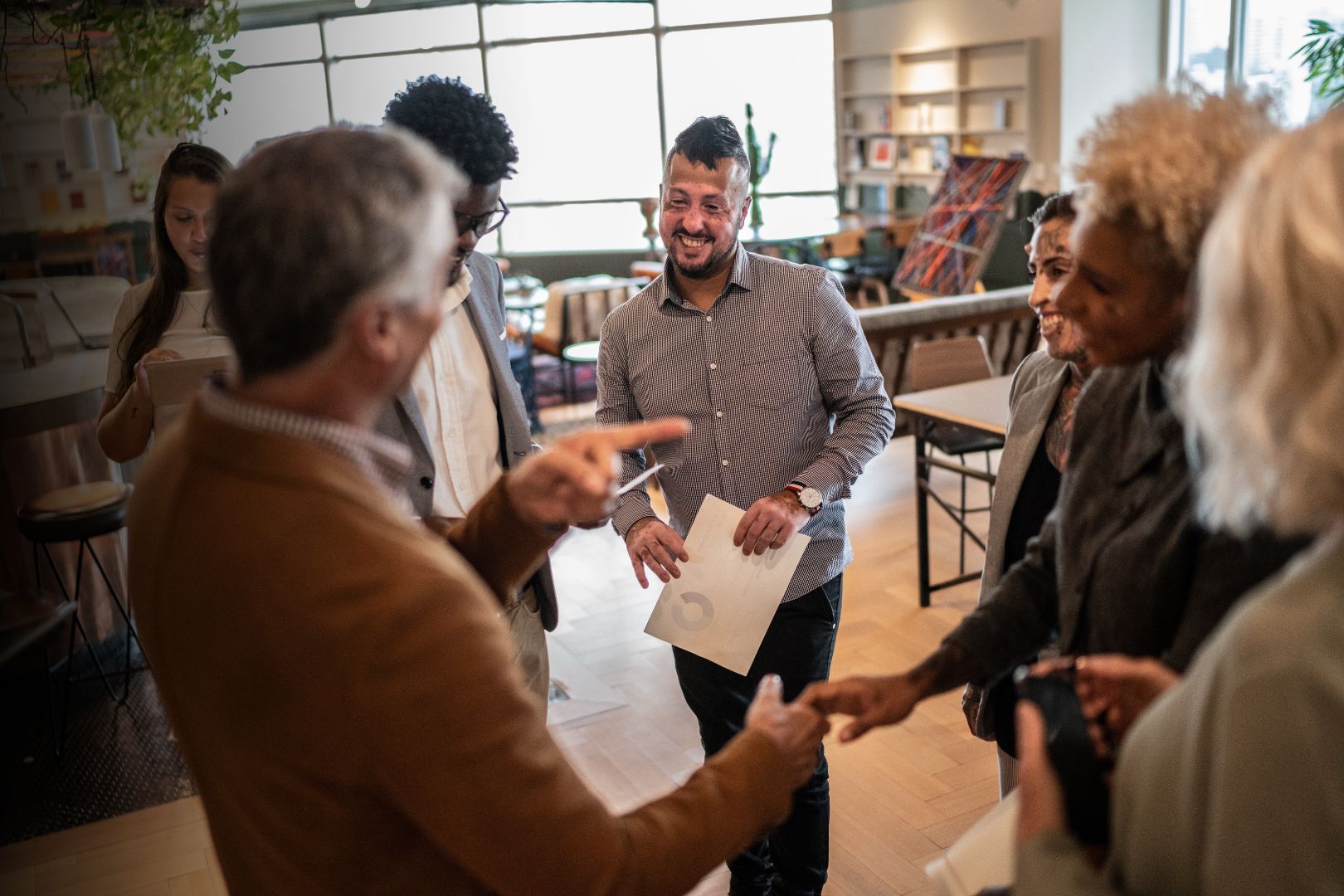
Rather than starting with top-down plans or expert-driven solutions, placemaking begins by listening to the people who live in a place. It assumes that communities hold deep wisdom about what they need to thrive. Placemaking is not something done to a neighborhood; it is something created with the people who call it home.
This kind of work takes time. It requires patience, trust, and a willingness to listen more than we speak. It resists quick fixes and instead invites collaboration, experimentation, and shared ownership. When done well, placemaking produces spaces that reflect the people who gather there—and in doing so, it builds pride, care, and responsibility for the common good.
Why Place Shapes How We Love God and Neighbor
While placemaking did not originate as a theological idea, it resonates deeply with the Christian tradition. In fact, for the church, placemaking is not merely a strategy—it is a theological task.
How we gather shapes who we become. The spaces we cultivate influence how relationships form, whose voices are heard, and who feels they belong. If faith is lived out in community, then the places where community happens matter deeply.
This is not a new insight. The early church gathered in homes—oikos communities—where life, worship, and mutual care were intertwined. Place was not incidental to faith; it was formative.
God Is Already at Work Here
From a Wesleyan perspective, placemaking trains us to notice prevenient grace—the grace of God already at work in the world before we arrive. God is present in our neighborhoods, our towns, and our shared spaces long before any church initiative or program begins.
The work of the church, then, is not to bring God into a place, but to pay attention to where God is already at work and to discern how we might participate. Placemaking forms us in this posture of attentiveness. It teaches us to look for signs of life, resilience, and hope already taking root.
Placemaking as an Incarnational Practice
Placemaking is also deeply incarnational. Jesus did not love humanity from a distance. He shared meals, attended weddings, walked dusty roads, and lived fully among the people of his community.
His first miracle did not occur in a sanctuary but at a wedding feast in Cana—a communal gathering where celebration turned to scarcity and scarcity was met with abundance. This moment reveals something essential: God’s work often unfolds in ordinary places where people come together.
To engage in placemaking is to take incarnation seriously. It is a commitment to presence, proximity, and shared life.
When the Church Forgot How to Share Space
At the same time, the church must tell the truth about its own history. Too often, churches have functioned as institutions of power—building spaces primarily for insiders and unintentionally signaling that community life happens behind closed doors.
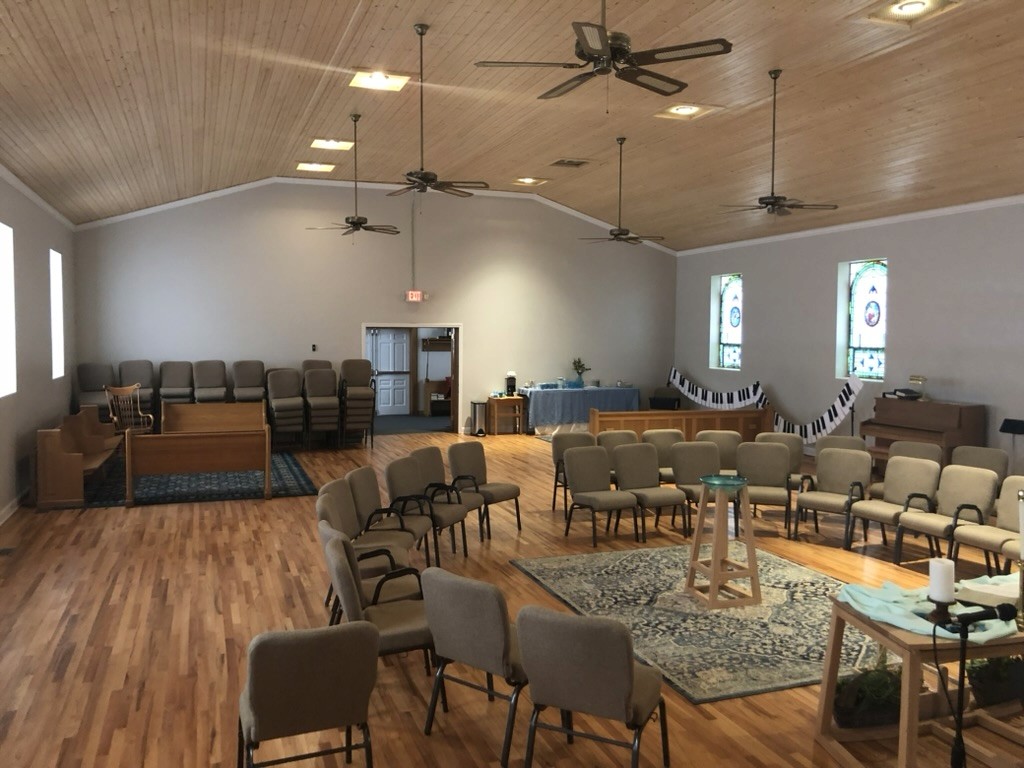
Gymnasiums, fellowship halls, and program spaces were frequently designed for church members, not with the wider community in mind. While often well-intentioned, this posture communicated a subtle message: we will take care of our own community building.
Over time, this has left many churches disconnected from the very neighborhoods that surround them.
A Different Posture: Listening Before Leading
Placemaking invites a different way of being. It calls the church to listen before leading, to share power rather than consolidate it, and to allow itself to be shaped by the community it seeks to serve.
This posture requires humility. It acknowledges that wisdom does not reside solely within church walls and that meaningful community formation emerges through collaboration, not control.
From Projects to Posture
Ultimately, placemaking is not a project to complete and move on from. It is a posture. A way of seeing the world. A commitment to shaping places where belonging can grow and where God’s beloved community can take root.
An Invitation to Reimagine Place Together
As congregations across the country wrestle with questions of identity, purpose, and sustainability, placemaking offers a hopeful path forward—not by asking churches to abandon their faith, but by inviting them to embody it more fully, right where they are planted.
Placemaking reminds us that faith has always taken place somewhere—and that how we shape those places shapes us in return.
We'd love to hear your ideas for your church
We work with churches in every phase of the journey to build more resilient connections with their local communities