Theology of Place

Maria Mugweru
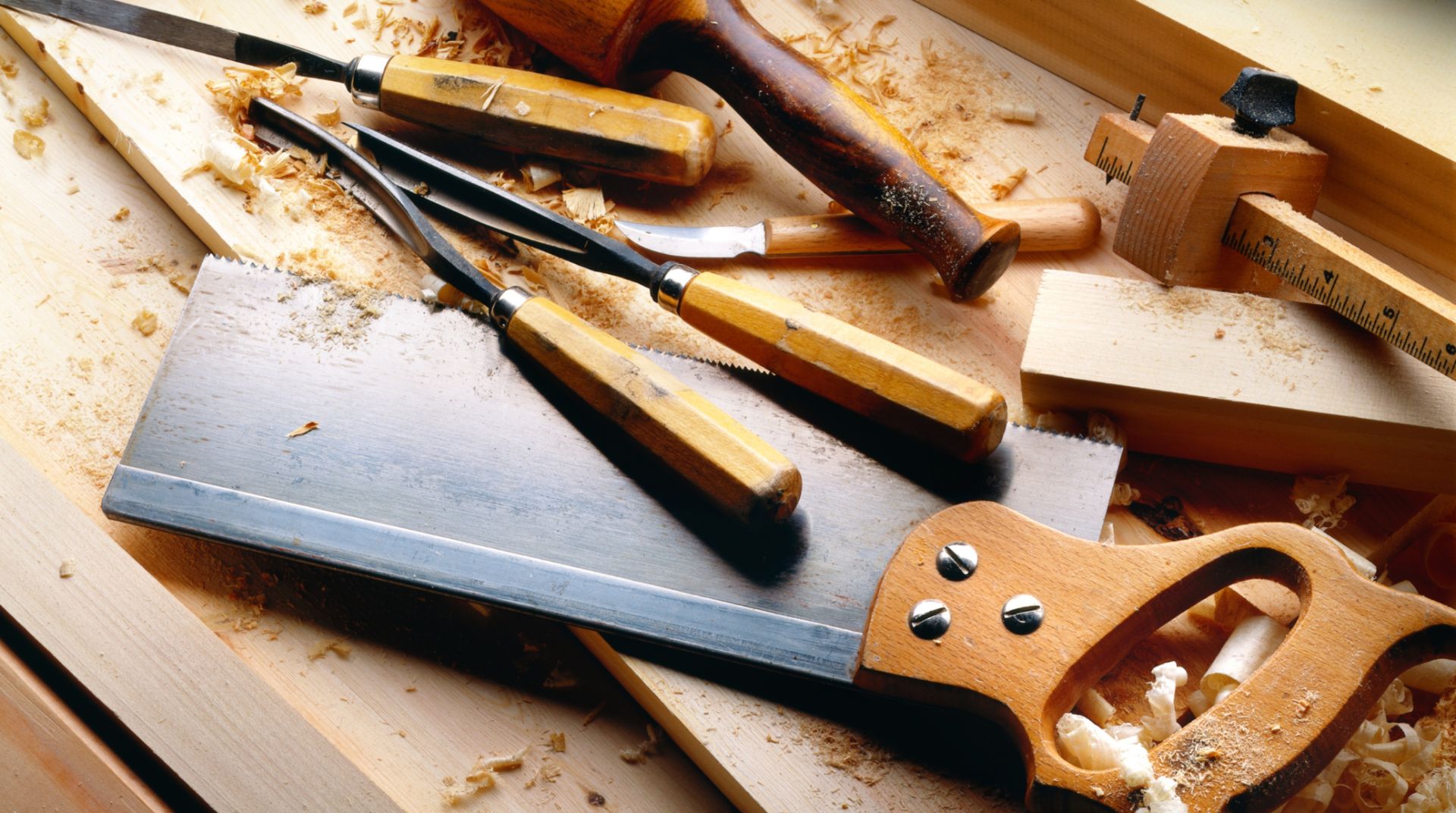
The phrase, “Measure twice, cut once,” is often attributed to ancient craftsmen, particularly in the trades of carpentry and tailoring. It was their sage advice to young apprentices to double-check their work to avoid mistakes, especially where errors were irreversible.
The best craftsmen were able to envision a project from start to finish ensuring their purchaser’s outcome was achieved as desired. In the modern urban landscape, “placemaking” is a phrase often attributed to architects and city planners who envision high-end plazas, ergonomic benches, and calculated green spaces for communities.
Placemaking is not a new term: its roots are far older and much humbler. Its origin lies in the sawdust and sweat of the τέκτων (tekton), the ancient Greek word for craftsman or carpenter. Placemaking is the reimagining of a space for the greatest social and economic impact to all. And the most successful place-makers infuse the double-measuring process of the tekton by listening and re-listening to the community before revitalizing an overlooked space.
Placemaking: The Tekton’s Knowledge
The Greek word, (τέκτων) tekton, used to describe Jesus’s profession, suggests a more expansive role than the modern description of carpenter. A tekton in a region like Galilee was a designer, who used the earth around him—stone, wood, and iron—to build items and structures that contributed to the infrastructure of the community. When we look at Jesus through this lens, we see a figure intimately acquainted with the raw materials of His environment. He understood the grain of the wood and the weight of the stone. He understood the benefit of a well-constructed bed and a structurally sound home.
The first lesson of tekton: to adapt a space, one must understand the resources of the place. As a place-maker, you must listen to the people who call the soil home and seek understanding of the stories and experiences that shape their hopes for future usage.
Placemaking: The Tekton’s Vision
One of the most powerful connections between Jesus’s trade and a place-maker’s urban redesign is the concept of restoration. A master craftsman can look at a discarded piece of timber or a crumbling wall and see its potential. Placemaking is rarely about scorched earth development; instead, it is about adaptive reuse. It takes underutilized classrooms, neglected sanctuaries, and vacant lots and breathes life back into them. By treating our physical environment with the care of a carpenter to olive wood, we practice a form of secular redemption. We take what is being overlooked and forgotten and transform it into a reconsidered neighborhood haven.
The second lesson of tekton: to adapt a space, one must see its veiled potential. As a place-maker, you must orient your heart to the task of traditioned innovation, or the learning of balance between preservation of what was with the call for what can be.
Placemaking: The Tekton’s Skill
The image of Jesus as a carpenter reminds us that the greatest acts of service often begin with simplest tools and local materials. Placemaking is not about imposing a vision from above; it is about the "carpentry" of community, the slow, methodical work of joining people together. It lives, woven between the deep knowledge of lifetime neighborhood members and the restless energy of youth. When we build spaces that honor the lived experience, prioritize utility, and celebrate the beauty of the future, we aren't just doing urban planning, we are participating in an ancient tradition of making the world a little more habitable, one acre and one stone at a time.
The final lesson of the tekton: to adapt a space, one must possess an initiator spirit that converts vision into action. As a place-maker, you must activate your “carpenter’s eye” to see a bigger picture as you fill in the details of a blueprint with community insights.
Adapted spaces are not simply wished into existence; they are intentionally constructed with a craftsman’s eye for durability and soul. Place-makers understand that a successful placemaking journey is measured by listening to the voices and needs of a community. And by doing such, like the carpenter from Nazareth, place-makers can bring the full potential of a space to the eventual groundbreaking.
We'd love to hear your ideas for your church
We work with churches in every phase of the journey to build more resilient connections with their local communities