Theology of Place

Maria Mugweru
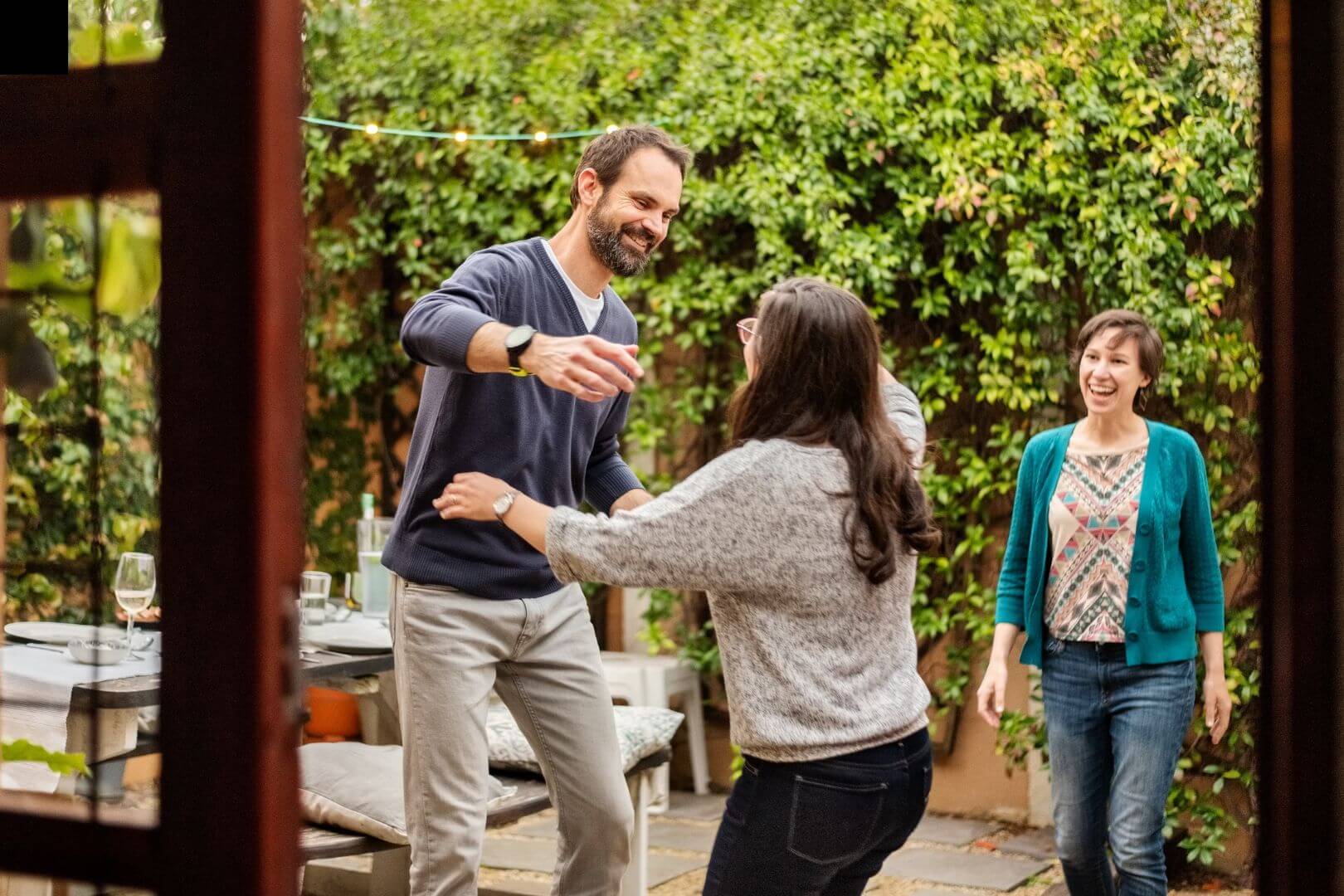
Imagine stepping into a church for the very first time. You’re greeted by natural light pouring through stained glass, the scent of polished pews, and the faint hum of an organ. Before you've shaken a single hand, your mind is already thinking, “This place feels peaceful.”
This is the power of the Halo Effect: the psychological phenomenon of creating a meaningful and welcoming space.
The Halo Effect is an often-overlooked element in church placemaking—the art of creating spaces that generate a sense of comfort before interaction, where people want to linger. As cities grow and people become more transient, leaving their hometowns for job opportunities, education, service, and wonder, churches begin to think about revitalization beyond its physical structure, it uncovers the deeper communal need for connection to people and the space.
The benefits of church revitalization extend far beyond the building’s walls. Research into the "Halo Effect" of historic houses of worship suggests that for every dollar a congregation spends, the local community receives several dollars in economic value through social services, local spending, and the provision of "third spaces."
Decoding the Halo Effect: More Than Just Four Walls
Church placemaking is much more than renovations or interior design: it's the reimagining of the emotional and spiritual topography of a sacred space. It’s the difference between a building you attend and a place where you truly feel at home. A successful "place" in the context of a church isn’t just functionally adequate (i.e., having enough seats or a working sound system), it is spiritually resonant. It reflects the needs and values of the community while communicating a sense of hospitality.
Decoding Connection: Placemaking as a Halo for the Word of God
So, how does the Halo Effect amplify church placemaking efforts? A carefully designed and maintained environment acts as a powerful "halo" that positively influences visitors’ entire experience. The initial impression created by the space can predispose people to be more open to the church’s message, its community, and its ministries.
The Halo Effect: Creating “Sticky” Places
When the community enters your church, they want to feel connected. When a community member sees that the space reflects the shared identity–through art displayed, use of shrubbery, or the layout of gathering spaces–they will naturally feel the halo of authenticity. The design of each space and place should reflect the character of its surrounding, both what it is and what it is hoped to be. An important part of creating the Halo Effect is taking the time to identify who your church is: Is it deeply rooted in tradition? Is it young and vibrant? Is it transformative with each leader? Or, is it a combination? Identifying your church’s identity is first.
The Halo Effect: Welcoming to the Visitor
Hospitality is at the heart of the Christian faith. The term itself is the spiritual equivalent of the “ripple effect,” or the way small actions lead to greater outcomes. Throughout the Gospel, stories of halos emanating from small deeds overflow. In the book of John, we read about a boy giving his five loaves and two small fish to the 12, which then fed 5,000 (Jn 6:1-14 NIV). In the book of Mark, we read about a poor widow giving her two small copper coins as a temple offering alongside the rich and becoming the standard for faithful giving (Mk 12:41-44 NIV). When a church begins the process of reimagining how to repurpose its sacred space, it not only finds a new practical use for its square footage, it also becomes a halo that shines into its neighborhood and its community. Creating a space that is easy to navigate communicates a "welcome" to the entire public, regardless of faith. This can be as easy as installing clear signage and accessibility tools, like ramps or elevators.
Or, it can be thought out, such as replacing heavy wooden doors with glass entryways that allows passersby to see the activity within; thus, breaking the psychological barrier of the "sacred threshold." A physically comfortable and intuitive space makes people feel at ease, which creates a halo of emotional safety, making visitors more receptive to the sermon and more open to engaging with others.
The Functional Halo: Welcoming Functionality
Even small, functional details can create a powerful halo. A great website, smooth parking, or a well-staffed and secure children’s ministry might seem logistical, but they are critical entry points. When visitors have a seamless, professional experience from the parking lot to the check-in, it creates a halo of excellence and care, and it signals that the church is run with competence and love, boosting their confidence in the entire organization.
So, how can you harness the Halo Effect in your church’s placemaking and increase connection?
Map the Journey: Walk through your church as a first-time visitor. What is your first visual? Your first auditory experience? Your first interaction? Identify all the key touchpoints.
Note the Aesthetic: Your main worship space and entryway are your primary halos. Ensure they are clean, inviting, and align with your community’s values.
Invest in Hospitality: From friendly greeters to clear signage and accessible bathrooms, your functional spaces need a halo of care and attention.
Prioritize the Narrative: Ensure your space tells your church's story. Use art, displays, and architecture to communicate who you are and what you believe.
Seek Feedback: Ask new members and visitors for their honest impressions of the physical space. This feedback is invaluable.
The Halo Effect is the influence an intentionally considered space creates on the environment. In a world that can be fragmented and indifferent, a well-placed church building, designed with intention and love, can be a potent symbol of hope and belonging. By intentionally crafting these sacred spaces, you are creating a halo of hospitality that paves the way for a deeper, more profound encounter with the divine.
Revitalizing church spaces isn't about erasing their religious past; it is about ensuring their future. By inviting the community back into these hallowed halls, we ensure that the craftsmanship of the past continues to inspire the generations of the future. These buildings were built to last for centuries: with a bit of creative reimagining, their most impactful chapters may be beyond the welcome mat.
Impact: Communicating Community: Reflecting the Body of Christ
We'd love to hear your ideas for your church
We work with churches in every phase of the journey to build more resilient connections with their local communities