Case Studies

Luke Lingle
The church context in the United States.
Across the country, churches are asking hard questions about sustainability, relevance, and the future of their buildings. In many cases, church buildings are utilized on Sunday morning but remain largely empty the rest of the week. Meanwhile, communities wrestle with housing shortages, economic disparities, and a growing need for spaces of connection.
In Asheville, North Carolina, one congregation chose not to retreat inward, but to lean into the needs of its neighborhood. What emerged was Haw Creek Commons, a living example of placemaking that demonstrates how underutilized church property can become a catalyst for local economic and social impact.
How does Haw Creek Commons support local business owners?
Haw Creek Commons (HCC) is located in the Haw Creek neighborhood, about four miles from downtown Asheville. The property once housed Bethesda United Methodist Church, a historic congregation that had dwindled to just thirteen active members. Rather than allow the property to close and sit dormant, district leaders invited the Missional Wisdom Foundation to reimagine the campus as an experimental hub for community-centered ministry.
Luke Lingle helped guide the early listening process. Over 18 months, leaders surveyed thousands of neighborhood residents, hosted open houses, and attended neighborhood association meetings. While listening to the community, it became clear that there were numerous wonderful things going on in the community, however, during the previous ten to fifteen nears numerous community spaces were closed. When asked how the church might participate with the community to help create community.
The answer was not another church program. It was space.
When HCC launched it contained:
· A co-working space for remote workers and entrepreneurs
· A commercial kitchen for local food entrepreneurs
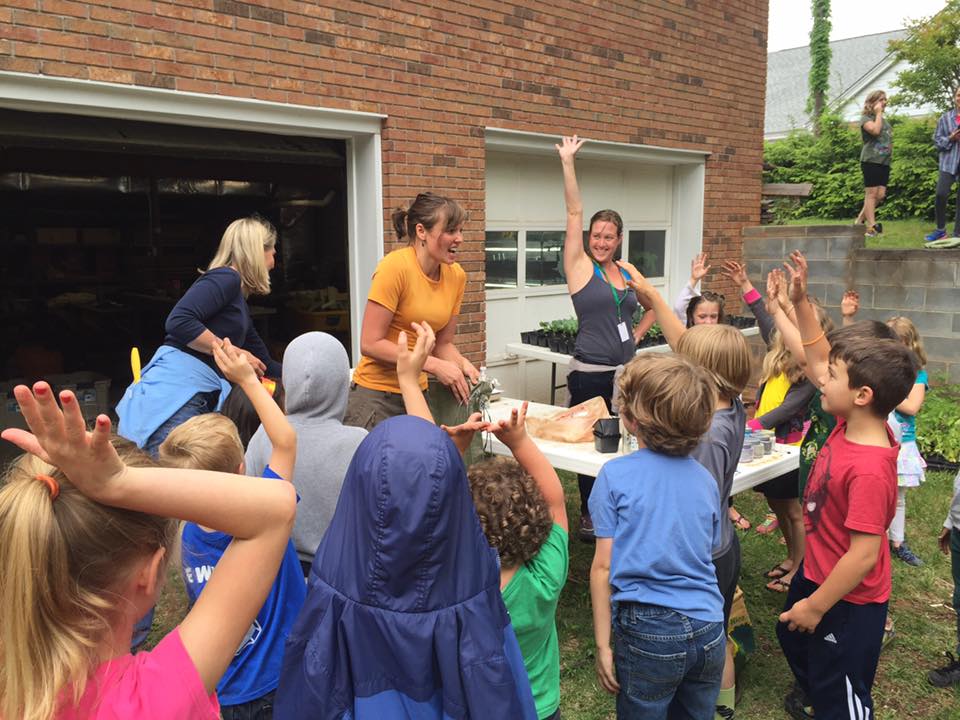
· A community garden
· Shared meeting rooms and gathering areas for neighborhood groups
Local food entrepreneurs gained access to licensed commercial kitchen space without the prohibitive cost of building their own. Therapists and small business owners found affordable office space embedded within their own neighborhood. Parents were welcomed to use the church parking lot for school drop-off; an intentional shift from protectionism to hospitality.
In short, Haw Creek Commons supports local business owners by lowering barriers to entry, reducing startup costs, and embedding entrepreneurship within a trusted neighborhood space.
How does Haw Creek Commons strengthen neighborhood resilience?
HCC was built around the assumption that people gather around four primary touchpoints: food, work, children’s activities, and affinities. By focusing on these natural gathering points, HCC became more than infrastructure; it became connective tissue.
The decision to name the space Haw Creek Commons, rather than brand it with the sponsoring church’s name, was a symbolic act of contextualization. It signaled that this was created with and for the neighborhood, not simply owned by a congregation.
HCC strengthens neighborhood resilience by creating shared space where trust, collaboration, and mutual support can flourish long before emergencies occur.
How does Haw Creek Commons model a new relationship between church and community?
Although Central UMC ultimately assumed ownership of the property when Bethesda closed, it did not impose a commanding structure. Instead, it continued the lease with Missional Wisdom foundation and entrusted operational leadership to community development experts.
Haw Creek Commons models a new paradigm: church property is not protected for institutional survival. Church property is stewarded for community flourishing. Church space and community space are not separate categories.
Conclusion: Measuring the Economic Impact
Haw Creek Commons represents one component of a broader Asheville movement that includes deeply affordable housing development, expanded use of underutilized church kitchens and facilities, co-working space, commercial kitchen rentals, and sustainable revenue streams.
The economic impact is both measurable and relational: lower startup costs for entrepreneurs, increased access to licensed commercial kitchen space, reduced vacancy in church facilities, expanded local collaboration, and long term neighborhood resilience.
If your church or community is wrestling with empty classrooms, aging facilities, or questions about sustainability, the question may not be How do we survive? It may be: How might our space become commons?
If you’re ready to explore how your church assets could catalyze measurable community impact, let’s begin the conversation.
We'd love to hear your ideas for your church
We work with churches in every phase of the journey to build more resilient connections with their local communities