Rebuilding Trust
At Monument of Faith
A steady presence in its Durham neighborhood since 1933, Monument of Faith is sitting down with its neighbors to imagine what shared land could become.
Church placemaking at Monument of Faith
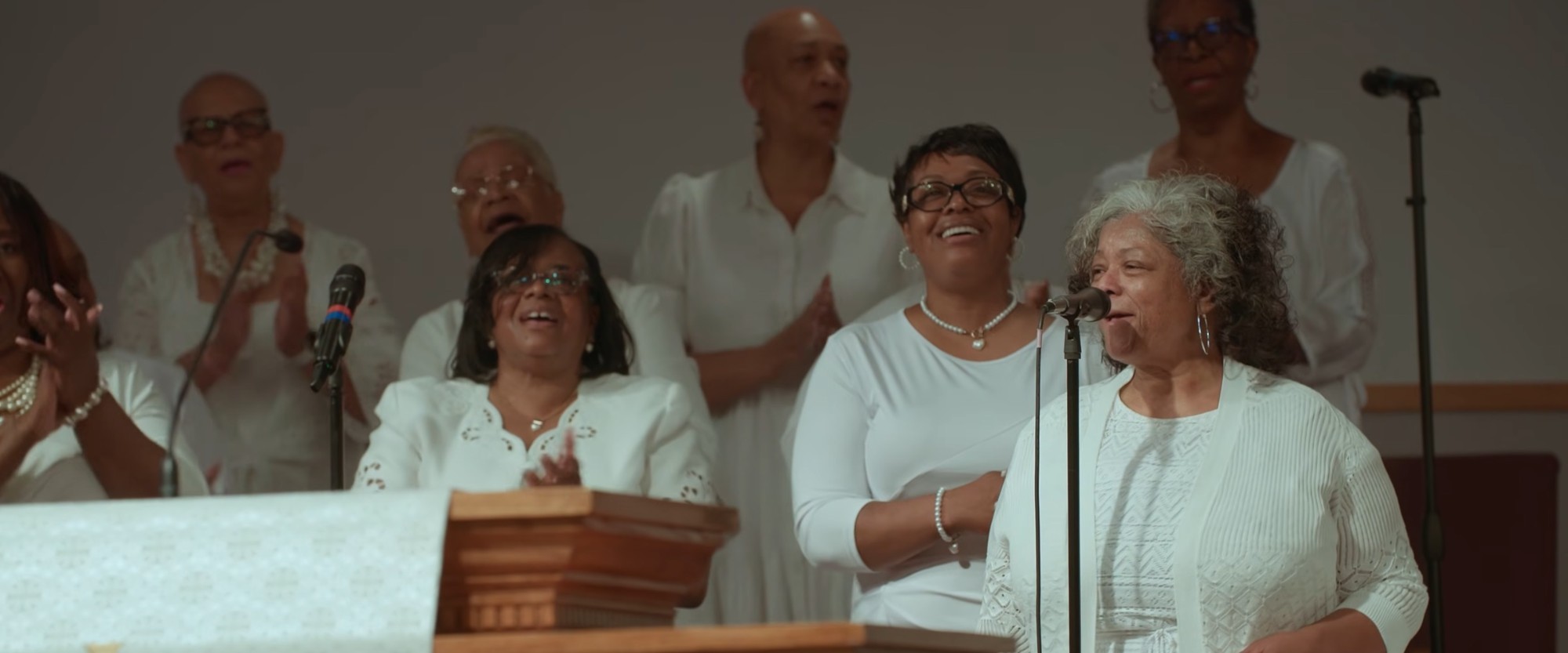
Monument of Faith Church has anchored its corner of Durham’s historic Hayti community since 1933. For more than ninety years it has been known, more than anything, for love. Today that same congregation is asking a new question: what could love look like for the next ninety years, on the land the church already holds?
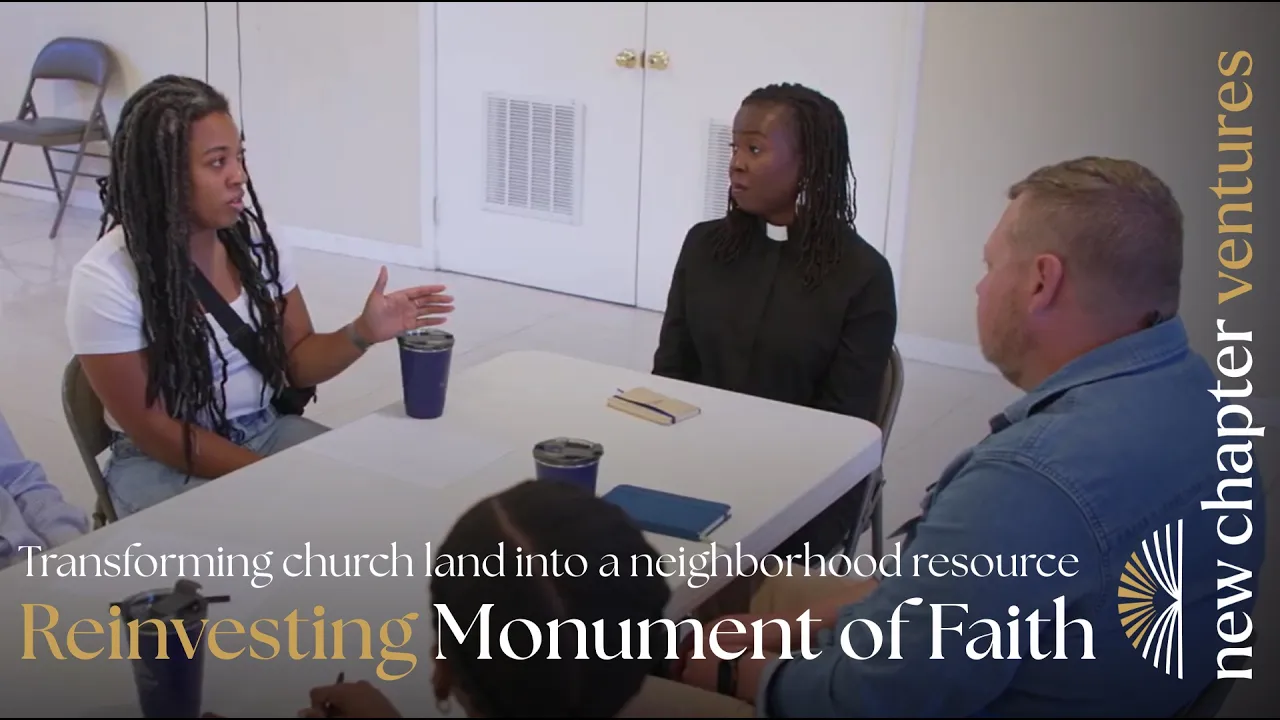
Through New Chapter Ventures’ placemaking cohort, Monument of Faith is exploring that question alongside five other historic Hayti churches. Placemaking begins with listening, not building. Before any plans are drawn, the church is sitting down with its neighbors to understand what the community needs, and to imagine together how shared space could meet it.
This is the story of those early conversations, and of a congregation choosing to open its doors, its table, and its land to the people around it.
Who they are
Monument of Faith has been a fixture on its corner of Hayti since 1933. Through nine decades of change in the neighborhood around it, the church has held to a simple reputation: it is known, above all, for love. That reputation is the foundation the congregation now builds on as it asks what its next chapter should be.
Why placemaking
The loss here is specific. When a highway came through this part of Durham decades ago, it took roughly 4,000 homes and 500 businesses, and the community that remained has carried that absence ever since. For a church known most of all for love, the work now is helping to knit that community back together.
Rebuilding what was broken starts with rebuilding trust, and that is slow, face-to-face work. Through the placemaking process with New Chapter Ventures, Monument of Faith is opening its doors and its land to the people around it, listening first so that whatever comes next is shaped by the neighborhood, not just for it.
The vision
Watch the video and you’ll see the church and its neighbors at the same table, turning shared land into shared ideas. Among them: a community garden growing food for the area, a counseling space, and an after-school program imagined together with a neighboring church.
None of it is finished, and that’s the point. This is what the early chapters of placemaking look like: a place where kids play safely, businesses flourish, and neighbors of every color and identity are grafted into the story of this neighborhood. Monument of Faith and its neighbors are working toward that place together.
Voices
I get a lot of love, my son gets a lot of love, and I think there’s a lot of love for humanity here.
Jeremy Berggren, Steward
I’m excited for the possibilities of lives being transformed, neighbors of every color, of every identity to be grafted into the story of this neighborhood and to be able to carry it on in their own way.
Kendall Dooley, Social Justice & Outreach Minister
Where things stand
Summer 2026. Monument of Faith joined the Hayti Cohort, six Durham churches going through the placemaking process together. The congregation traveled to Asheville for the cohort’s immersion weekend in June, and NCV completed a full walkthrough of the church’s buildings and land.
Fall 2026. The church is now in the storytelling and visioning phase alongside its five cohort partners. That phase is expected to wrap up by the end of 2026, when the cohort gathers to share what each church has envisioned for its corner of Hayti.
The Future
Looking ahead, 2027 is when pursuing the vision begins in earnest. With the cohort’s storytelling behind it, Monument of Faith expects to take its next steps toward the ideas that emerged, testing and refining them alongside its neighbors before anything is built. The story on this page is an early one, and it will keep growing as the church moves from imagining what is possible to shaping it, together.
We'd love to hear your ideas for your church
We work with churches in every phase of the journey to build more resilient connections with their local communities